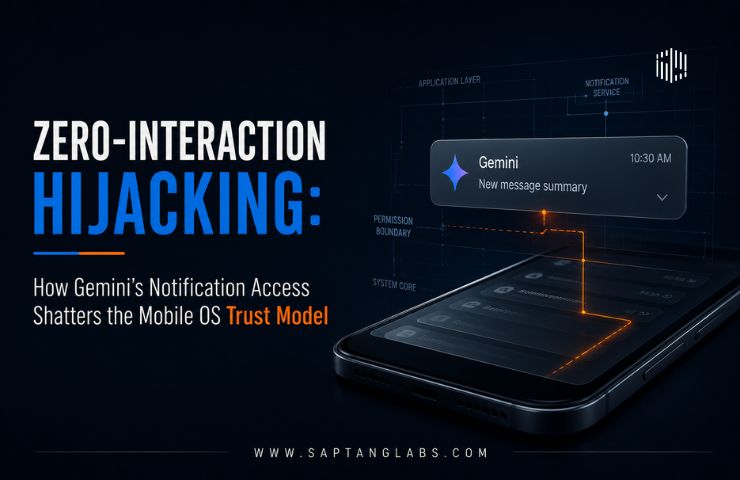
Zero-Interaction Hijacking: How Gemini’s Notification Access Shatters the Mobile OS Trust Model 

Zero-Interaction Hijacking: How Gemini’s Notification Access Shatters the Mobile OS Trust Model  TL;DR The recent vulnerability involving Google’s Gemini voice assistant being controlled remotely via simple messaging notifications exposes a fundamental, catastrophic failure in the implicit trust models used by modern mobile operating systems. This was not a standard command injection flaw. It was a

OT Security: Why State-Sponsored PLC Hacking Mandates an Architecture of Absolute Doubt 

OT Security: Why State-Sponsored PLC Hacking Mandates an Architecture of Absolute Doubt  TL;DR  The future of OT Security will not be determined by how well organizations protect their network perimeter. It will be determined by how effectively they validate trust inside their operational environments. State-sponsored actors are increasingly targeting programmable logic controllers, industrial control systems, and operational workflows that influence physical

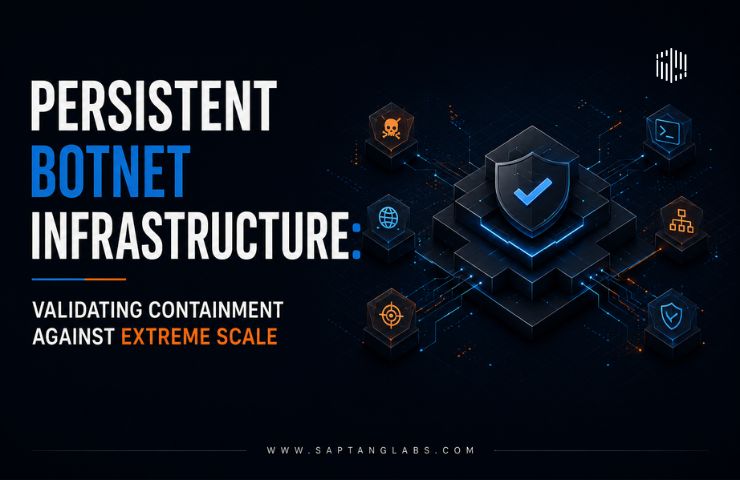
Persistent Botnet Infrastructure: Validating Containment Against Extreme Scale 

Persistent Botnet Infrastructure: Validating Containment Against Extreme Scale  TL;DR  Botnets are no longer limited to simple distributed denial-of-service campaigns. Modern botnet ecosystems operate as resilient, adaptive, and globally distributed infrastructures capable of supporting cybercrime, espionage, fraud, credential theft, ransomware delivery, and large-scale disruption. The challenge for modern enterprises is no longer simply detecting botnet activity. The real challenge is validating whether

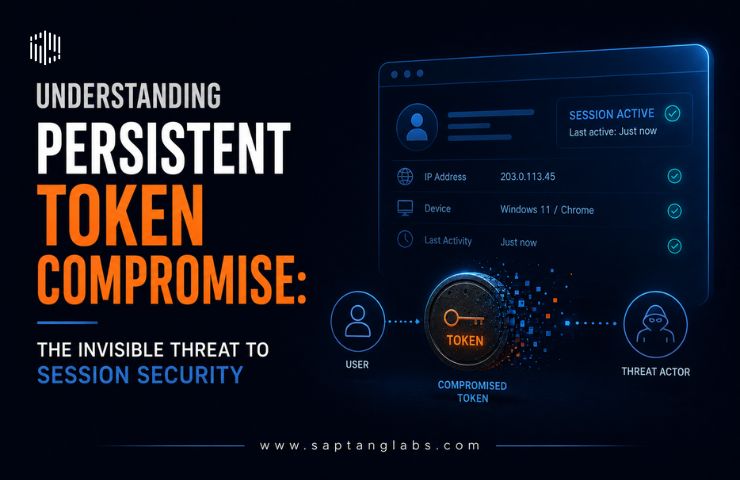
Understanding Persistent Token Compromise: The Invisible Threat to Session Security

Understanding Persistent Token Compromise: The Invisible Threat to Session Security  TL;DR  Most organizations invest heavily in password protection, multi-factor authentication, and identity security. Yet modern attackers increasingly target something more valuable than credentials: active authentication tokens. A Persistent Token Compromise allows adversaries to maintain access to enterprise systems even after passwords are reset, accounts are secured, and