
Human IoC: Analyzing the Modern Threat Actor’s Behavioral Footprint 

Human IoC: Analyzing the Modern Threat Actor’s Behavioral Footprint TL;DR The traditional perimeter is dead. With the massive shift to Software-as-a-Service (SaaS) architecture and the rise of AI-cloned identities, standard network firewalls and static Indicators of Compromise (IoCs), like malicious IPs and hashes, provide zero visibility. The industry is currently fixated on two converging crises:
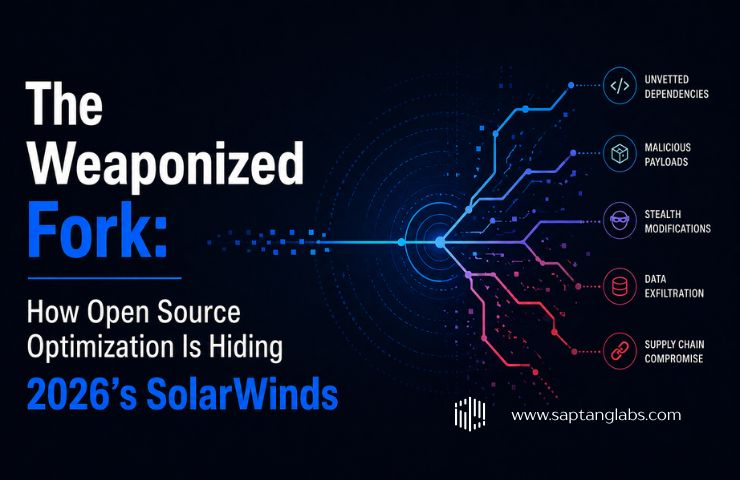
The Weaponized Fork: How Open Source Optimization Is Hiding 2026’s SolarWinds

The Weaponized Fork: How Open Source Optimization Is Hiding 2026’s SolarWinds TL;DR The next great security breach will not come from a zero-day exploit in your firewall. It will come from a “highly optimized” fork of a popular open-source model. Attackers are using the guise of performance improvements—such as 4-bit quantization or “merged” weights—to embed neural backdoors into

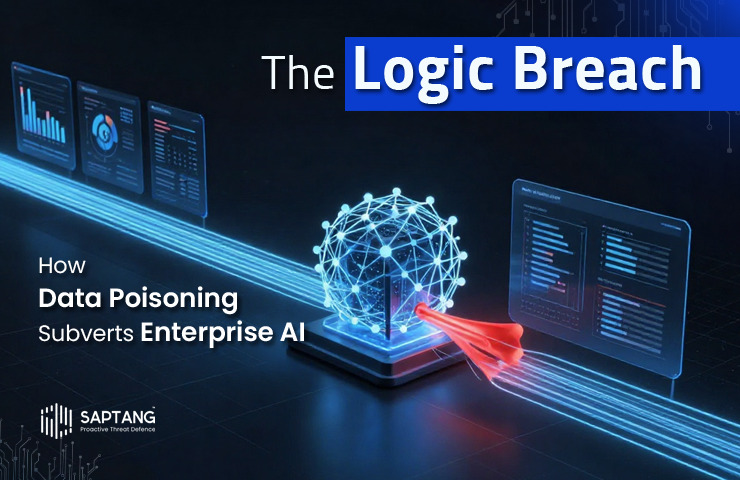
The Logic Breach: How Data Poisoning Subverts Enterprise AI

The Logic Breach: How Data Poisoning Subverts Enterprise AI TL;TR  Data poisoning is a silent threat that targets the logic of enterprise AI rather than its infrastructure. By manipulating training data and feedback loops, attackers can influence model behavior without triggering traditional security alerts.  The result is a logic breach where systems continue to function

The Non-Human Identity (NHI) Crisis: Securing the Service Account Backdoor

The Non-Human Identity (NHI) Crisis: Securing the “Service Account” Backdoor TL;TR  While security teams have spent a decade perfecting Multi-Factor Authentication (MFA) for human employees, a silent population has exploded within the enterprise: Non-Human Identities (NHIs). These service accounts, API keys, and OAuth tokens now outnumber human users by as much as 45-to-1. Because they lack