Why Banks Are Always One Step Behind Emerging Fraud 

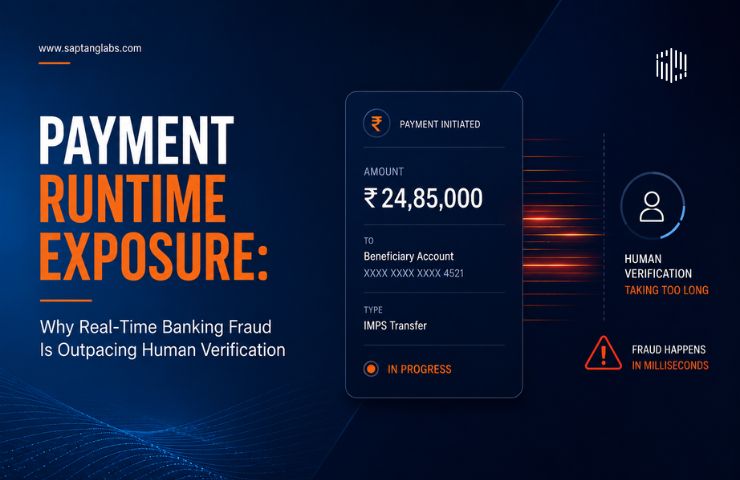
The Velocity Gap: Why Banks Are Always One Step Behind Emerging Fraud TL;TR  Modern banks operate with world-class security teams and massive budgets, yet they remain tethered to legacy infrastructure that moves in slow “batches.” Meanwhile, fraudsters operate in real-time using agile, AI-driven workflows. To break this cycle, institutions must shift from internal transaction monitoring to external behavioral preemption; the core

Why Attackers Scale Infrastructure While Teams Chase Alerts 

Why Attackers Scale Infrastructure While Teams Chase Alerts TL;TR  Defenders are trapped in a reactive loop of triaging millions of alerts (often 50-90% false positives), while attackers spend weeks or months in a “quiet build” phase. During this time, they register domains, warm up IP addresses, and establish Command-and-Control (C2) infrastructure that is statistically indistinguishable from legitimate

From Alert Fatigue to Action: Why CISOs Need Unified External Visibility 

From Alert Fatigue to Action: Why CISOs Need Unified External Visibility  Introduction: When Every Alert Feels Urgent, Nothing Truly Is  A decade ago, a CISO’s biggest challenge was visibility. Today, it is overload. Modern security leaders wake up to dashboards already blinking red. Overnight alerts pile up before the first coffee. Teams race to triage signals that all claim

From Blind Spots to Boardroom Security Metrics

From Blind Spots to Boardroom Metrics: Measuring What You Prevented Introduction: The Question Every Security Leader Faces  At some point in every leadership meeting, a familiar question surfaces.  It is not aggressive. It is not hostile. It is simply unavoidable.  “What did we actually prevent?” For security teams, this is the hardest question to answer.