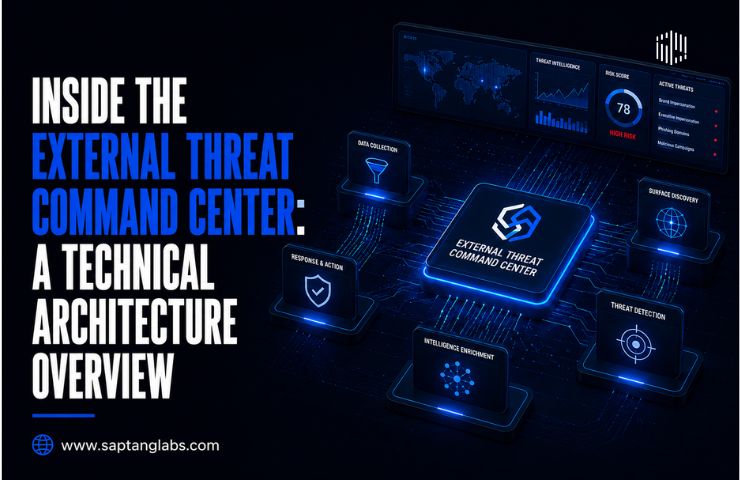
Inside the External Threat Command Center: A Technical Architecture Overview 

Inside the External Threat Command Center: A Technical Architecture Overview   TL;TR   Modern manufacturers sit in the blast radius of attacks that start far outside the factory wall: spoofed supplier portals, weaponized RFQs, exposed remote access and ransomware staging.   An External Threat Command Center built on a solid External Threat Platform Architecture gives you a single
GPU-Resident Rootkits: Why Wiping the OS Won’t Save Your AI Cluster 

GPU-Resident Rootkits: Why Wiping the OS Won’t Save Your AI Cluster TL;DR Standard security protocols focus on the CPU and Storage, but GPU-Resident Rootkits hide in VRAM and firmware, bypassing OS-level detection. These threats leverage Direct Memory Access (DMA) to survive disk wipes and propagate across high-speed interconnects like NVLink, requiring a shift toward hardware-level attestation and strict IOMMU enforcement. 

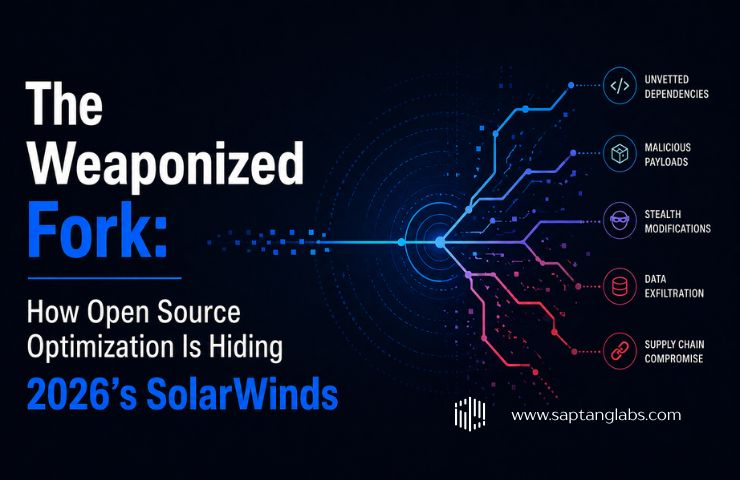
The Weaponized Fork: How Open Source Optimization Is Hiding 2026’s SolarWinds

The Weaponized Fork: How Open Source Optimization Is Hiding 2026’s SolarWinds TL;DR The next great security breach will not come from a zero-day exploit in your firewall. It will come from a “highly optimized” fork of a popular open-source model. Attackers are using the guise of performance improvements—such as 4-bit quantization or “merged” weights—to embed neural backdoors into

The Evolution of Attack Surfaces: 2020 vs 2026

The Evolution of Attack Surfaces: 2020 vs 2026 TL;DR  The enterprise attack surface has not just expanded; it has fundamentally transformed. In 2020, security was built around a defined perimeter with controlled infrastructure. In 2026, that perimeter no longer exists. Cloud sprawl, SaaS adoption, APIs, remote work, and AI agents have created a distributed and constantly changing