

Human IoC: Analyzing the Modern Threat Actor’s Behavioral Footprint 

Human IoC: Analyzing the Modern Threat Actor’s Behavioral Footprint TL;DR The traditional perimeter is dead. With the massive shift to Software-as-a-Service (SaaS) architecture and the rise of AI-cloned identities, standard network firewalls and static Indicators of Compromise (IoCs), like malicious IPs and hashes, provide zero visibility. The industry is currently fixated on two converging crises:
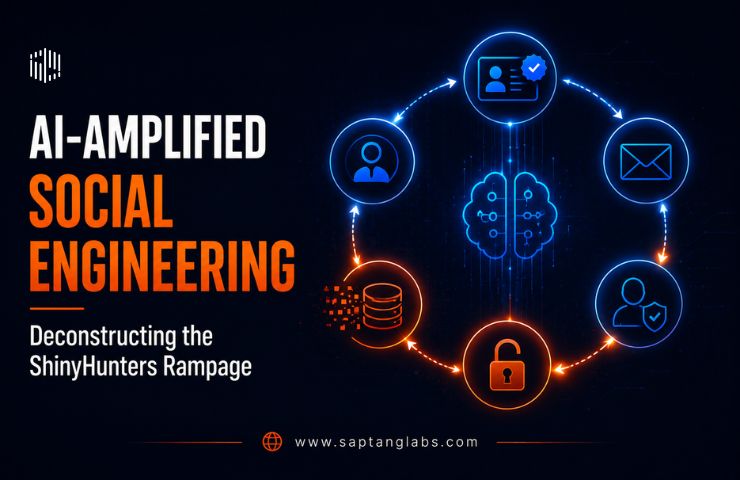
AI-Amplified Social Engineering: Deconstructing the ShinyHunters Rampage

AI-Amplified Social Engineering: Deconstructing the ShinyHunters Rampage  TL;DR The cybersecurity landscape of May 2026 has been permanently altered by a relentless series of high-profile corporate breaches. The extortion group ShinyHunters orchestrated these devastating attacks. By deploying AI-Amplified Social Engineering, these threat actors successfully bypassed traditional multi-factor authentication. Crucially, they compromised massive organizations, including Carnival Corporation, Instructure Canvas, and Charter Communications. Instead of

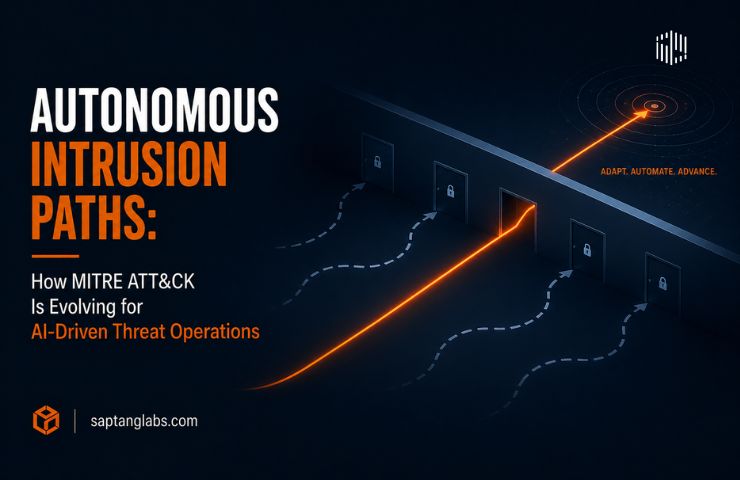
Autonomous Intrusion Paths: How MITRE ATT&CK Is Evolving for AI-Driven Threat Operations 

Autonomous Intrusion Paths: How MITRE ATT&CK Is Evolving for AI-Driven Threat Operations  TL;DR  Modern cyber attacks are becoming faster, more adaptive, and increasingly autonomous. Attackers are no longer relying only on isolated malware deployment or traditional perimeter exploitation. Instead, they are chaining identities, cloud sessions, APIs, runtime workflows, and trusted operational behaviors into dynamic intrusion

The New Cybersecurity KPI: Reducing the Window of Vulnerability 

The New Cybersecurity KPI: Reducing the Window of Vulnerability  TL;DR  Cybersecurity teams can no longer measure success only through alerts, detections, or compliance scores. Modern attacks move too quickly for reactive security models. This is why the Window of Vulnerability is becoming a critical KPI for security leaders. It measures how long an organization remains exposed before