
The New Cybersecurity KPI: Reducing the Window of Vulnerability 

The New Cybersecurity KPI: Reducing the Window of Vulnerability  TL;DR  Cybersecurity teams can no longer measure success only through alerts, detections, or compliance scores. Modern attacks move too quickly for reactive security models. This is why the Window of Vulnerability is becoming a critical KPI for security leaders. It measures how long an organization remains exposed before
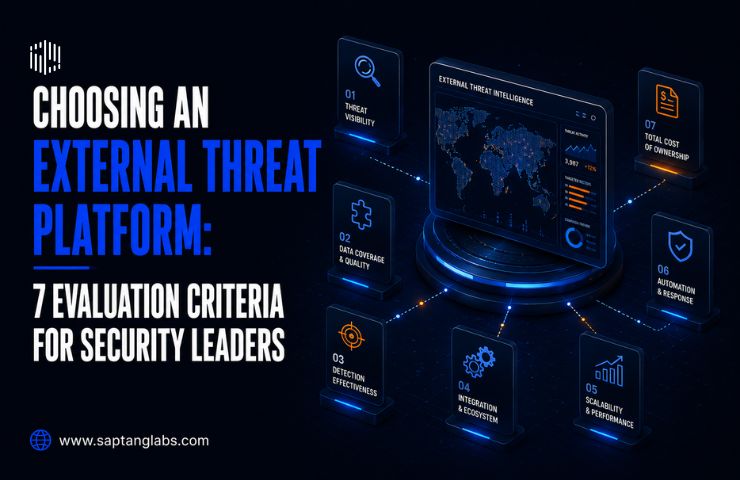
Choosing an External Threat Platform: 7 Evaluation Criteria for Security Leaders 

Choosing an External Threat Platform: 7 Evaluation Criteria for Security Leaders TL;DR  Most organizations invest heavily in internal security controls while external threats continue to grow across phishing infrastructure, fake applications, exposed assets, impersonation campaigns, and unmanaged digital exposure. Choosing the right External Threat Platform is no longer just a tooling decision. It is a strategic

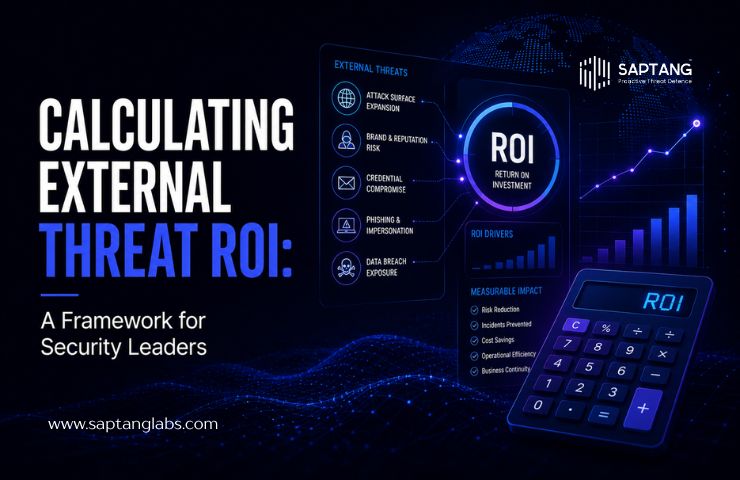
Calculating External Threat ROI: A Framework for Security Leaders 

Calculating External Threat ROI: A Framework for Security Leaders TL;DR  Cybersecurity leaders are under increasing pressure to justify security investments in measurable business terms. Traditional ROI models focus heavily on infrastructure protection and incident response, but external threats operate differently. Phishing campaigns, fake applications, brand impersonation, and malicious domains often target customers long before enterprise systems are

UPI Fraud Jumped 90%: How Banks Can Fight Back Against External Threats

UPI Fraud Jumped 90%: How Banks Can Fight Back Against External Threats TL;DR  The meteoric rise of Unified Payments Interface (UPI) has been matched by a 90% surge in sophisticated fraud. From social engineering to malicious screen-sharing apps, external threats are evolving faster than traditional reactive defenses. This article explores why the “human firewall” is failing, the specific mechanics