ML vs Rules: Why Traditional Telecom Security Can’t Scale 

ML vs Rules: Why Traditional Telecom Security Can’t Scale  TL;TR  Telecom security is no longer failing because teams lack expertise or tools. It is failing because the operational model behind rule-based defense cannot keep pace with the speed, scale, and ambiguity of modern telecom networks. Rules were designed for predictability. Today’s threats thrive on subtlety and change. Machine learning

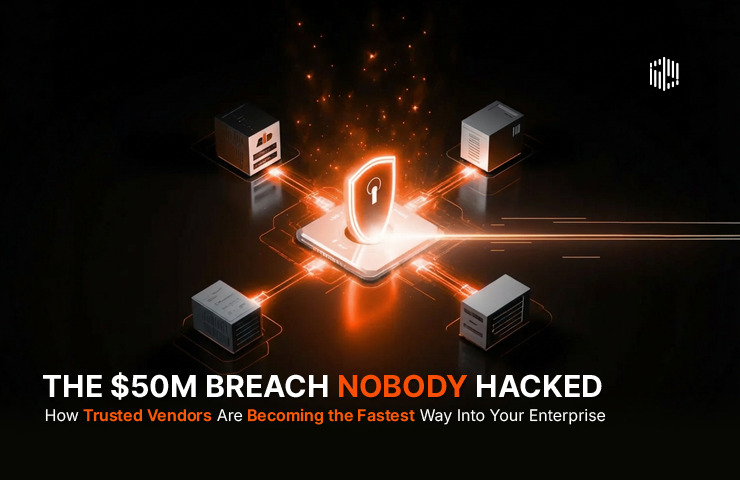
The $50M Breach Nobody Hacked: How Trusted Vendors Are Becoming the Fastest Way Into Your Enterprise 

The $50M Breach Nobody Hacked: How Trusted Vendors Are Becoming the Fastest Way Into Your Enterprise   The most damaging breaches today do not break defenses. They bypass them.  Across boardrooms and security leadership meetings, the same uncomfortable question is surfacing after major incidents: How did this happen when our controls were working?  In many recent enterprise breaches, the answer is

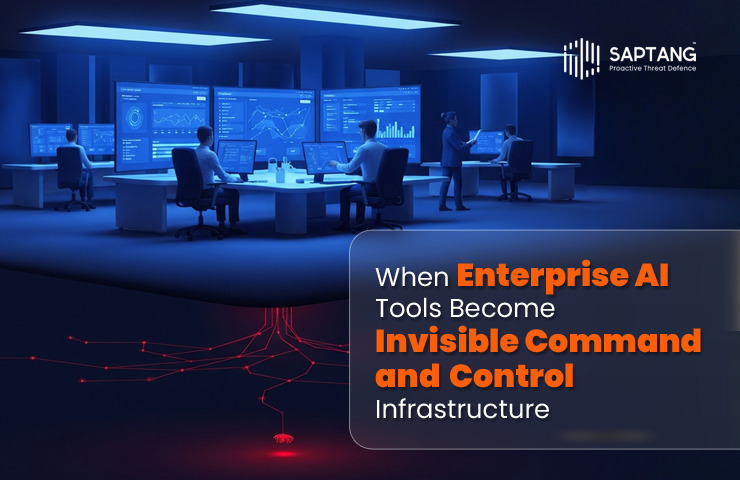
When AI Becomes the Weakest Link in Enterprise Security 

When AI Becomes the Weakest Link in Enterprise Security For most enterprises, the decision to adopt AI did not feel risky. It felt inevitable. Teams experimented with generative tools to improve productivity. Business units adopted AI-driven analytics to accelerate insights. Vendors embedded AI capabilities into platforms that organizations were already using. Over time, AI became

From Bots to Agentic AI: The New Frontier of Autonomous External Attacks

From Bots to Agentic AI: The New Frontier of Autonomous External Attacks    When the Ground Shifts Quietly Beneath Mature Security Programs  Most CISOs today are not struggling with fundamentals.  They have invested years building layered defenses, modernizing SOC operations, improving cloud visibility, and aligning security risk with business priorities. Their programs are audited, benchmarked, and