Persistent Botnet Infrastructure: Validating Containment Against Extreme Scale 

Persistent Botnet Infrastructure: Validating Containment Against Extreme Scale  TL;DR  Botnets are no longer limited to simple distributed denial-of-service campaigns. Modern botnet ecosystems operate as resilient, adaptive, and globally distributed infrastructures capable of supporting cybercrime, espionage, fraud, credential theft, ransomware delivery, and large-scale disruption. The challenge for modern enterprises is no longer simply detecting botnet activity. The real challenge is validating whether
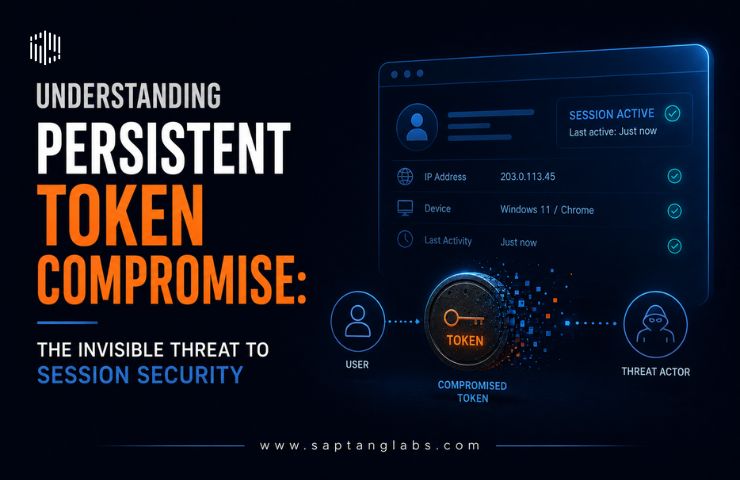
Understanding Persistent Token Compromise: The Invisible Threat to Session Security

Understanding Persistent Token Compromise: The Invisible Threat to Session Security  TL;DR  Most organizations invest heavily in password protection, multi-factor authentication, and identity security. Yet modern attackers increasingly target something more valuable than credentials: active authentication tokens. A Persistent Token Compromise allows adversaries to maintain access to enterprise systems even after passwords are reset, accounts are secured, and

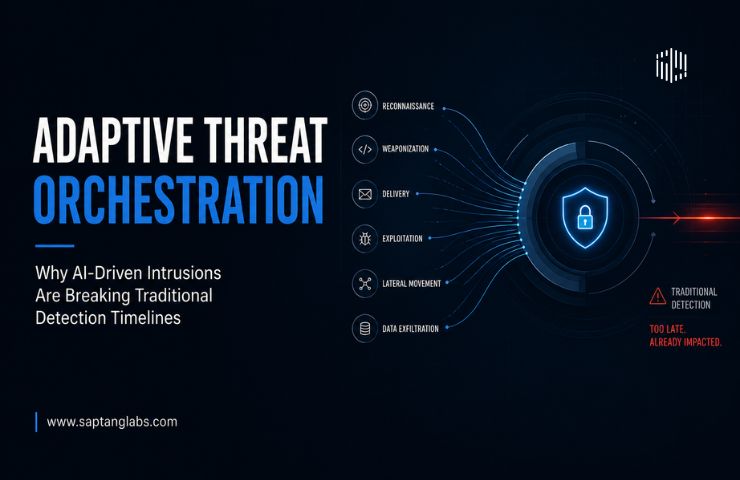
Adaptive Threat Orchestration: Why AI-Driven Intrusions Are Breaking Traditional Detection Timelines 

Adaptive Threat Orchestration: Why AI-Driven Intrusions Are Breaking Traditional Detection Timelines TL;DR The cybersecurity battlefield has fundamentally shifted. Traditional defenses rely on static rules and predictable attack behaviors. However, a new paradigm known as Adaptive Threat Orchestration leverages artificial intelligence to analyze defenses, mutate payloads, and pivot strategies in real time. This dynamic approach completely shatters traditional incident response

When Enterprise AI Tools Become Invisible Command-and-Control Infrastructure

When Enterprise AI Tools Become Invisible Command-and-Control Infrastructure TL; DR   Security researchers have discovered a novel attack technique that transforms enterprise AI assistants with web browsing capabilities into covert command-and-control channels. The method requires no authentication, bypasses traditional security controls, and enables bidirectional communication between malware and attackers through platforms your firewall already trusts.  What makes this