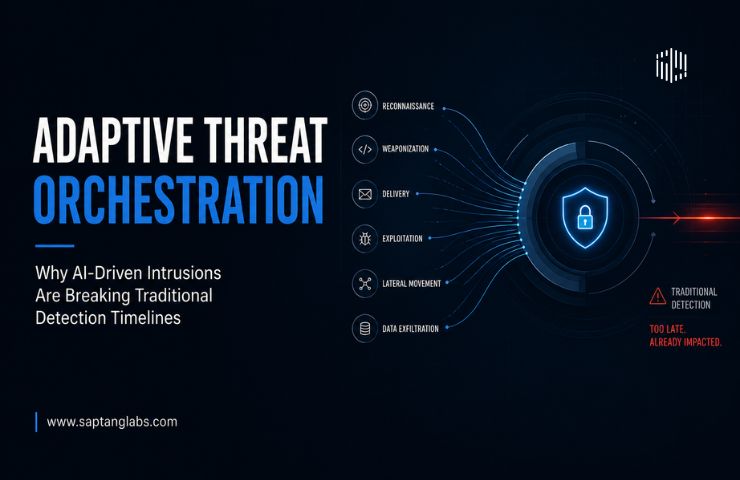
Adaptive Threat Orchestration: Why AI-Driven Intrusions Are Breaking Traditional Detection Timelines 

Adaptive Threat Orchestration: Why AI-Driven Intrusions Are Breaking Traditional Detection Timelines TL;DR The cybersecurity battlefield has fundamentally shifted. Traditional defenses rely on static rules and predictable attack behaviors. However, a new paradigm known as Adaptive Threat Orchestration leverages artificial intelligence to analyze defenses, mutate payloads, and pivot strategies in real time. This dynamic approach completely shatters traditional incident response
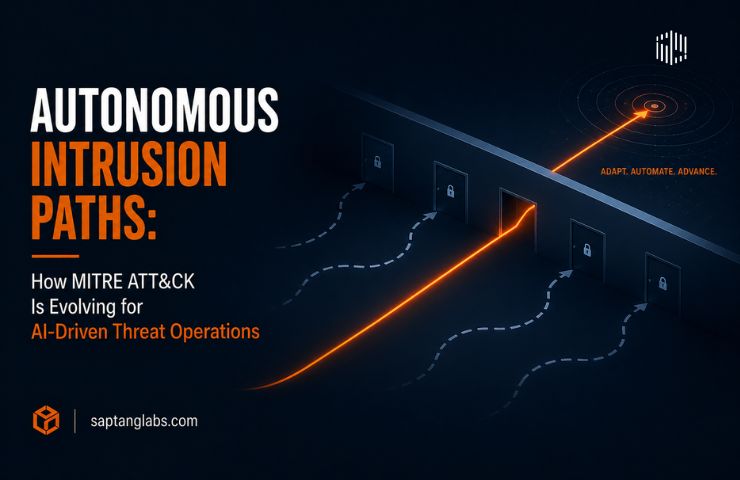
Autonomous Intrusion Paths: How MITRE ATT&CK Is Evolving for AI-Driven Threat Operations 

Autonomous Intrusion Paths: How MITRE ATT&CK Is Evolving for AI-Driven Threat Operations  TL;DR  Modern cyber attacks are becoming faster, more adaptive, and increasingly autonomous. Attackers are no longer relying only on isolated malware deployment or traditional perimeter exploitation. Instead, they are chaining identities, cloud sessions, APIs, runtime workflows, and trusted operational behaviors into dynamic intrusion

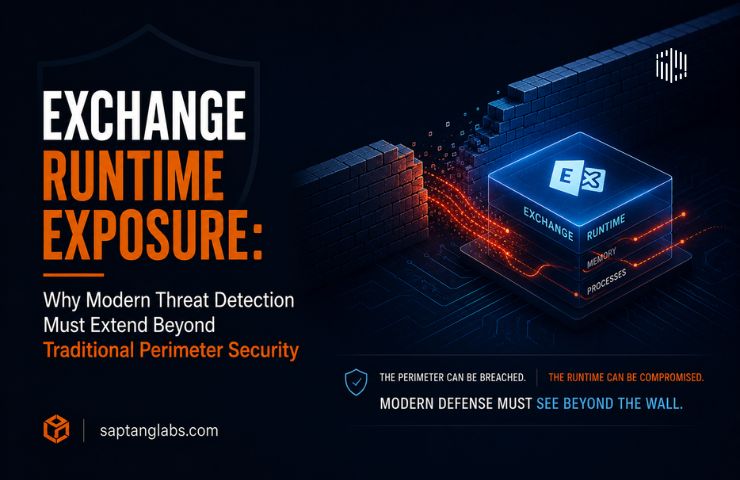
Exchange Runtime Exposure: Why Modern Threat Detection Must Extend Beyond Traditional Perimeter Security 

Exchange Runtime Exposure: Why Modern Threat Detection Must Extend Beyond Traditional Perimeter Security  TL;DR  The recent Microsoft Exchange exploitation activity highlighted a much larger cybersecurity challenge facing modern enterprises. Attackers are increasingly targeting trusted communication systems, runtime workflows, and operational platforms that exist inside legitimate enterprise environments. Traditional perimeter security models are struggling because modern

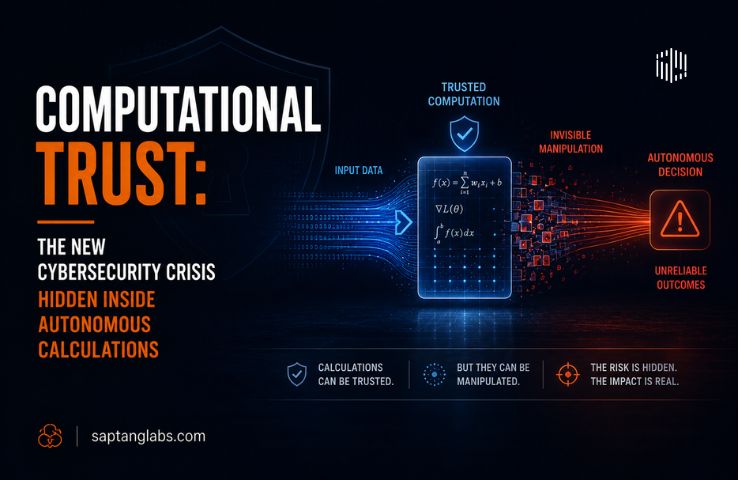
Computational Trust: The New Cybersecurity Crisis Hidden Inside Autonomous Calculations 

Computational Trust: The New Cybersecurity Crisis Hidden Inside Autonomous Calculations  TL;DR  Cybersecurity is entering a new phase where attackers no longer need to destroy systems visibly to create large-scale damage. Increasingly, modern attacks focus on manipulating calculations, altering runtime outputs, and silently influencing trusted systems while environments continue operating normally. The recent Fast16 malware discussions highlighted how