
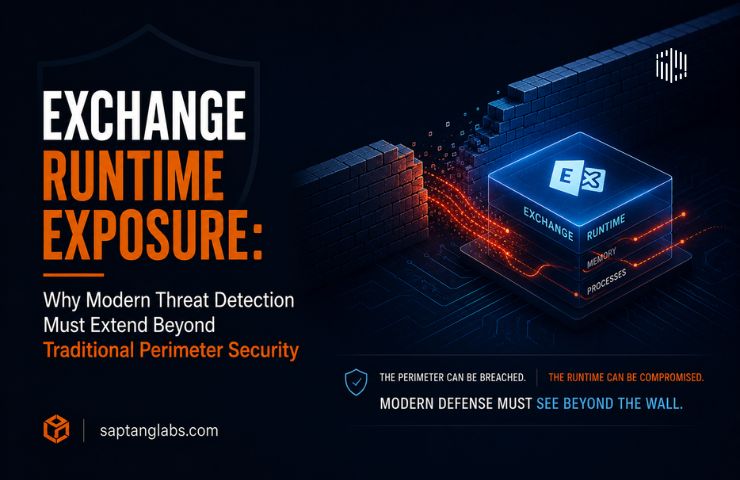
Exchange Runtime Exposure: Why Modern Threat Detection Must Extend Beyond Traditional Perimeter Security 

Exchange Runtime Exposure: Why Modern Threat Detection Must Extend Beyond Traditional Perimeter Security  TL;DR  The recent Microsoft Exchange exploitation activity highlighted a much larger cybersecurity challenge facing modern enterprises. Attackers are increasingly targeting trusted communication systems, runtime workflows, and operational platforms that exist inside legitimate enterprise environments. Traditional perimeter security models are struggling because modern
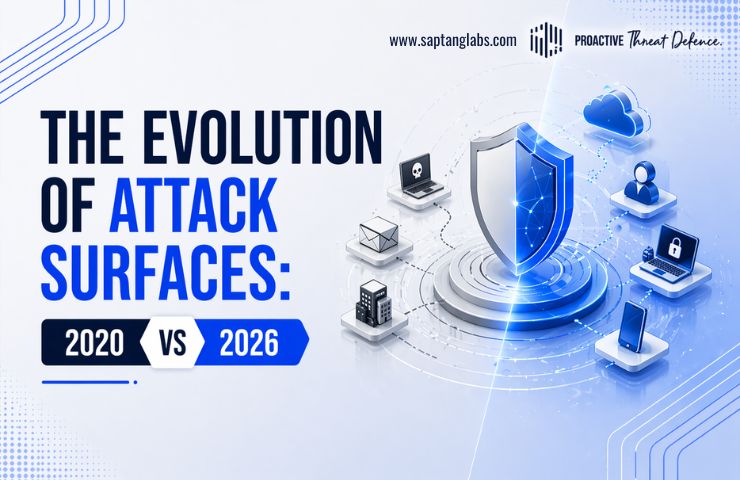
The Evolution of Attack Surfaces: 2020 vs 2026

The Evolution of Attack Surfaces: 2020 vs 2026 TL;DR  The enterprise attack surface has not just expanded; it has fundamentally transformed. In 2020, security was built around a defined perimeter with controlled infrastructure. In 2026, that perimeter no longer exists. Cloud sprawl, SaaS adoption, APIs, remote work, and AI agents have created a distributed and constantly changing

2026 External Threat Landscape: What CISOs Need to Know 

2026 External Threat Landscape: What CISOs Need to Know  TL;DR    After 15 years in the trenches, 2026 marks the first year where I’m advising boards that external threat intelligence is no longer optional. The threat landscape has fundamentally shifted from perimeter defense to identity warfare, from human-speed attacks to AI-driven operations, and from isolated incidents to cascading supply

SEC Mandates Dark Web Monitoring. Are Boards Blindly Exposed?

SEC Mandates Dark Web Monitoring. Are Boards Blindly Exposed? TL;DR   The SEC’s cybersecurity disclosure rules, effective since December 2023, require public companies to report material cybersecurity incidents within four business days and describe their cybersecurity risk management processes in annual filings. Regulation S-K Item 106 mandates that boards disclose how they oversee cybersecurity risks, the processes for