TL;TR
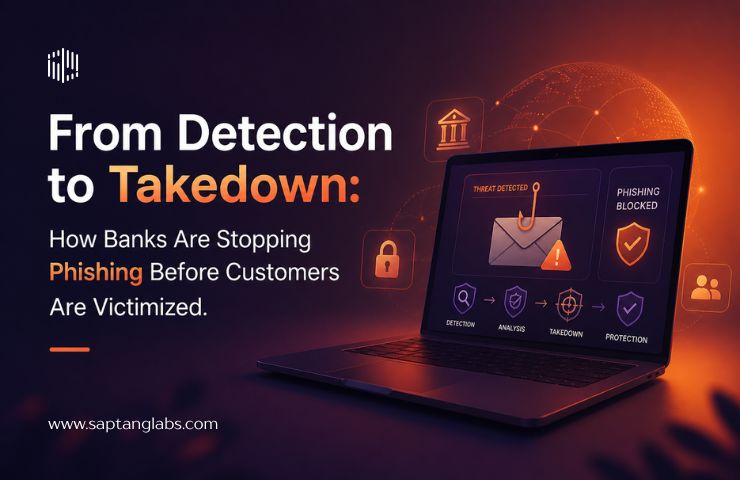
Modern bank phishing prevention has shifted from reactive “whack-a-mole” tactics to proactive, evidence-led takedown processes. By identifying brand impersonation early and automating the collection of forensic evidence, financial institutions are now able to dismantle fraudulent infrastructure in hours rather than days, significantly reducing the window of risk for their customers.
It starts with a single SMS or a slightly “off” email. For a customer, it is a moment of panic about a locked account. For a bank’s security team, it is the beginning of a race against time. We often talk about fraud in terms of numbers and losses, but for those of us on the front lines, it is about the architecture of deception.
Phishing is no longer just a fake website. It is a sophisticated industry of brand impersonation banking. Scammers don’t just want a password; they want to hijack the entire trust relationship you have built with your users. To fight this, we have had to evolve. We moved past simply telling people “don’t click links” and started tearing down the links before they ever reached the inbox.
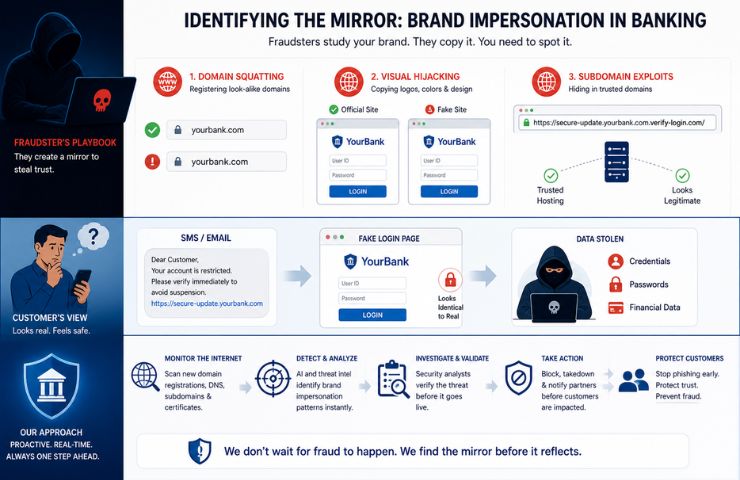
The first step in any effective prevention strategy is seeing what the fraudster sees. They look at your brand elements, your logos, and your communication style to create a mirror image that feels safe to the untrained eye.
Our approach focuses on monitoring the outer edges of the internet. By the time a customer reports a suspicious site, it is often too late. Proactive detection means scanning certificate transparency logs and new domain registrations in real-time. If a domain is registered that looks like yours, the clock starts ticking for us to investigate before they even launch their first campaign.
When we find a malicious site, the temptation is to just report it and hope for the best. But hope is not a security strategy. A professional takedown process requires an evidence-led response. This means collecting a forensic trail that proves the site is malicious beyond a shadow of a doubt.
By providing clear, undeniable evidence to internet service providers (ISPs) and registrars, we remove the friction of bureaucracy. They take our requests seriously because the proof is packaged and ready for their legal teams.
The true metric of success in bank phishing prevention is the “Mean Time to Takedown.” A phishing site that stays live for 24 hours can harvest thousands of credentials. One that is taken down in two hours might only capture a handful.
In our recent operations, we have focused on neutralizing the “takedown friction.” This involves building direct relationships with the global infrastructure providers that scammers use. Instead of sending an anonymous email to an “abuse@” inbox, we use authenticated APIs to signal a threat.
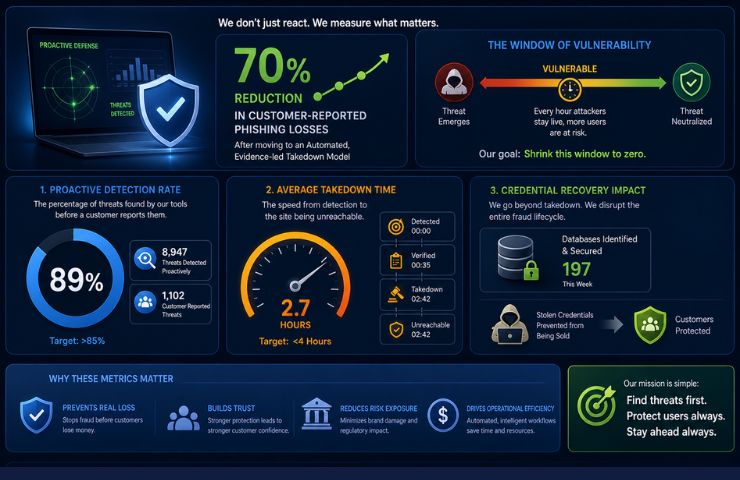
We don’t just count the number of sites we take down. We measure the “Window of Vulnerability.” In one anonymized case study, a major retail bank saw a 70% reduction in customer-reported phishing losses after moving to an automated, evidence-led takedown model.
While technology and takedowns are vital, the human element remains the final line of defense. However, we have shifted our tone. Instead of “blaming” the customer for being tricked, we acknowledge that the scams are getting better. Our job is to be the shield that stands between the customer and the sophisticated criminal enterprise.
By being transparent about our takedown process, we build trust. Customers feel safer knowing that their bank isn’t just watching their money, but is actively scouring the digital world to protect their identity.
The future of bank phishing prevention lies in artificial intelligence and machine learning, but not in the way most people think. We are using these tools to predict where the next attack will come from by analyzing the patterns of previous campaigns. We are no longer waiting for the attack to happen; we are anticipating the infrastructure build-out.
Protecting a brand is a 24/7/365 commitment. Every minute a phishing site remains active is a minute the bank’s reputation is at risk. By prioritizing rapid, evidence-led takedowns, we ensure that the fraudsters find our brand too expensive and too difficult to target.
FAQ
What is brand impersonation in banking?
Brand impersonation occurs when a criminal uses a bank’s logos, colors, and name to create fake websites, emails, or social media profiles to trick customers into revealing sensitive information like login credentials or OTPs.
How long does it take to take down a phishing site?
With a reactive approach, it can take days. However, with a proactive, evidence-led process using automated tools and direct ISP relationships, many sites can be neutralized within 2 to 6 hours.
Can banks stop phishing before it reaches the customer?
Yes. By monitoring new domain registrations and SSL certificate logs, banks can identify and take down fraudulent websites before the scammers even begin sending out phishing emails or SMS messages.
Why is an evidence-led response important?
ISPs and domain registrars require proof of malicious activity before they will shut down a site. Providing a comprehensive “evidence package” including screenshots and source code speeds up the legal process for takedown.
What should I do if I find a site impersonating my bank?
Report it immediately to the bank’s official security or fraud department. Most banks have a dedicated email address for reporting such threats, which helps their security teams initiate the takedown process faster.
You may also find this post useful: UPI Fraud Jumped 90%: How Banks Can Fight Back Against External Threats